Nokia may no longer manufacture mobile phones, but it continues to generate substantial profits from the mobile industry through strategic licensing agreements.
Historical Background of Nokia's Mobile Business
The journey began in 2014 when Microsoft acquired Nokia's mobile division for a staggering USD 4.4 billion, which included a patent licensing deal worth approximately USD 1.9 billion. This acquisition also meant transferring around 32,000 Nokia employees to Microsoft.
Despite this massive investment, the collaboration did not yield the expected results for Microsoft, which had to write off USD 7.6 billion related to the acquisition by 2015, ultimately deciding to divest from the mobile business.
New Partnerships and Licensing Agreements
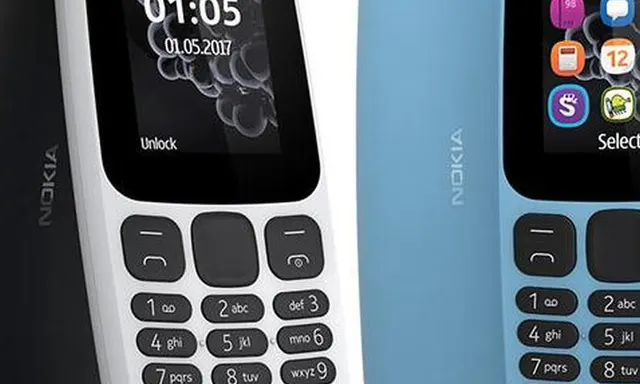
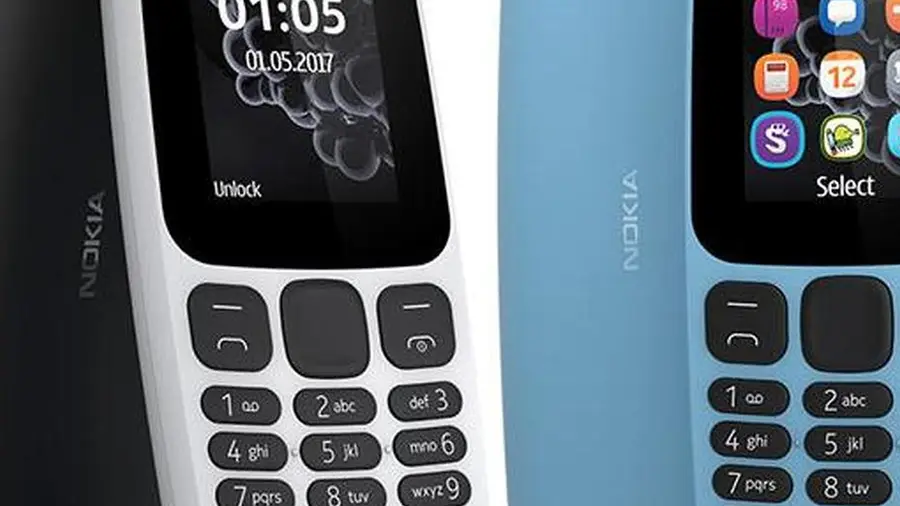
In 2016, just a year after Microsoft's withdrawal, Nokia signed a 10-year agreement with HMD Global, a company formed by former Nokia executives. This deal allowed HMD Global to manufacture and sell Nokia-branded smartphones and tablets worldwide.
Every Nokia device sold since December 2016 has generated royalty payments for Nokia, enabling the company to profit without engaging in the complexities of manufacturing. Under this arrangement, Nokia provides the brand and intellectual property, while HMD handles production, marketing, and inventory risks.
Financial Gains from Patent Licensing
Nokia's financial success in the mobile sector is largely due to its patent licensing business. In 2024, Nokia Technologies reported net sales of USD 2.2 billion (approximately Rp 39 trillion), a significant increase from USD 1.3 billion in 2023. This impressive 78% growth was fueled by new licensing agreements with companies like Oppo and Vivo, along with follow-up payments from previous disputes.
Furthermore, Nokia secured a new long-term patent licensing agreement with Apple, effective January 2024, and renewed contracts with major industry players such as Samsung, Huawei, Honor, Oppo, and Vivo, ensuring its continued influence in the mobile market.
Diversification into New Markets
In addition to mobile technology, Nokia is branching out into new sectors, including the automotive industry. The company has begun licensing its patents to various car manufacturers, including partnerships with several Chinese automakers and Mercedes, addressing the growing demand for connectivity in vehicles.
As for HMD Global, its licensing agreement to produce Nokia-branded smartphones is set to expire in March 2026. The company is shifting towards a multi-brand strategy, focusing more on its own brand identity. In 2024, HMD plans to introduce phones and accessories under its own name while phasing out Nokia-branded smartphones from European stores by September of that year.
The Future of Nokia's Mobile Brand
By July 2025, a Nokia community manager indicated in a forum post that the company is open to collaborating with major mobile manufacturers to maintain the relevance of the Nokia brand once HMD's exclusivity ends. This approach suggests that Nokia won't need to manufacture or sell phones directly to continue profiting from the mobile sector.
As long as the demand for 5G networks persists, Nokia's revenue from licensing will likely remain robust. However, securing a new manufacturing partner before HMD's agreement concludes in 2026 will be crucial for the future of this iconic mobile brand.
Source: https://inet.detik.com/consumer/d-8678602/tak-lagi-jual-hp-nokia-tetap-cuan-triliunan-dari-bisnis-ponsel