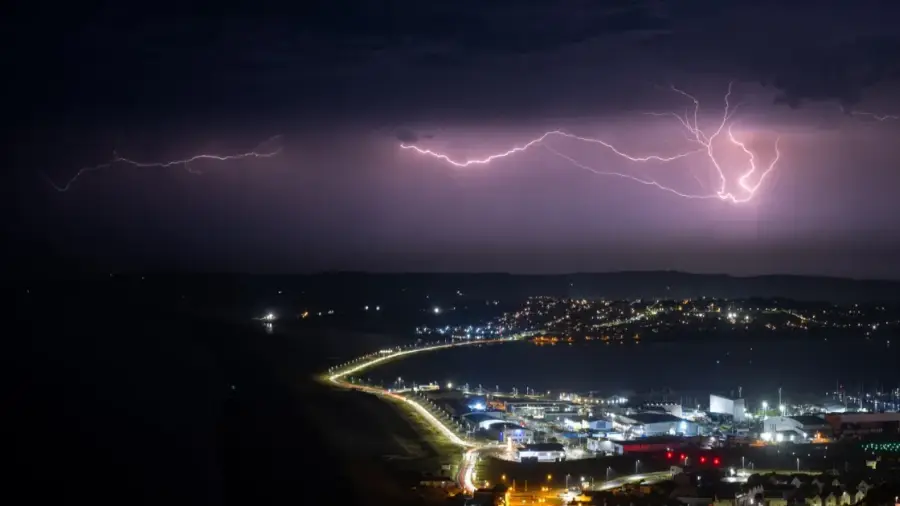
Dalam kehidupan sehari-hari, perangkat elektronik seperti komputer, televisi, dan perangkat rumah tangga lainnya sangat rentan terhadap kerusakan akibat sambaran petir. Sebuah petir yang menyambar dapat menyebabkan kerusakan yang sangat besar dalam waktu singkat, dan dampak dari kerusakan ini tidak hanya mahal, tetapi juga dapat memicu kebakaran. Menurut data, kerugian akibat kebakaran listrik di AS mencapai lebih dari $1,2 miliar pada tahun 2021. Untungnya, ada langkah-langkah yang dapat diambil untuk melindungi perangkat Anda.
Pentingnya Melindungi Perangkat Elektronik
Saat badai mendekat, sambaran petir dapat mengirimkan lonjakan listrik melalui kabel dan pipa di rumah Anda. Lonjakan ini dapat merusak perangkat elektronik sensitif. Bahkan sambaran yang tidak langsung pun dapat menyebabkan kerusakan. Oleh karena itu, penting untuk mengambil langkah-langkah pencegahan sebelum badai menyerang.
Langkah Pertama: Cabut Perangkat
Saat badai mulai mendekat, langkah pertama yang harus dilakukan adalah mencabut semua perangkat dari stopkontak. Ini adalah langkah termudah dan paling efektif untuk mencegah kerusakan. Meskipun langkah ini sederhana, banyak orang sering kali mengabaikannya. Jadi, pastikan untuk selalu mencabut perangkat Anda saat badai datang.
Investasi dalam Pelindung Lonjakan Arus
Selain mencabut perangkat, investasi dalam pelindung lonjakan arus juga sangat penting. Pelindung lonjakan arus dapat membantu mengalihkan tegangan berlebih yang mungkin merusak perangkat Anda. Pastikan pelindung lonjakan yang Anda pilih memiliki peringkat joule minimal 2.000 untuk perlindungan yang lebih baik. Peringkat ini menunjukkan berapa banyak energi yang dapat diserap sebelum pelindung tersebut gagal. Idealnya, tegangan penjepit harus di bawah 400V.
Pertimbangan untuk Perangkat yang Tidak Bisa Dicolok Cabut
Untuk perangkat besar yang tidak dapat dicabut saat badai, pertimbangkan untuk menggunakan Uninterruptible Power Supply (UPS). UPS bertindak sebagai penghubung antara stopkontak dan perangkat Anda. Jika terjadi lonjakan atau pemadaman listrik, UPS akan beralih ke daya baterai untuk menjaga perangkat tetap aman dan berfungsi.
Memanggil Teknisi Listrik
Jika Anda merasa langkah-langkah di atas tidak cukup, memanggil teknisi listrik bersertifikat untuk memasang perangkat pelindung lonjakan di panel listrik utama mungkin merupakan pilihan yang tepat. Ini dapat memberikan perlindungan tambahan bagi seluruh rumah Anda. Ingatlah juga bahwa ancaman siber dapat mengancam keamanan perangkat Anda, jadi selalu waspada terhadap risiko ini.
Melindungi perangkat elektronik dari sambaran petir bukanlah hal yang sulit. Yang terpenting adalah persiapan sebelum badai datang. Dengan mencabut perangkat saat badai mendekat dan menggunakan pelindung lonjakan, Anda bisa menghindari kerugian yang besar dan menjaga perangkat Anda tetap aman.
Sumber: https://telset.id/how-to/cara-lindungi-perangkat-elektronik-dari-sambaran-petir