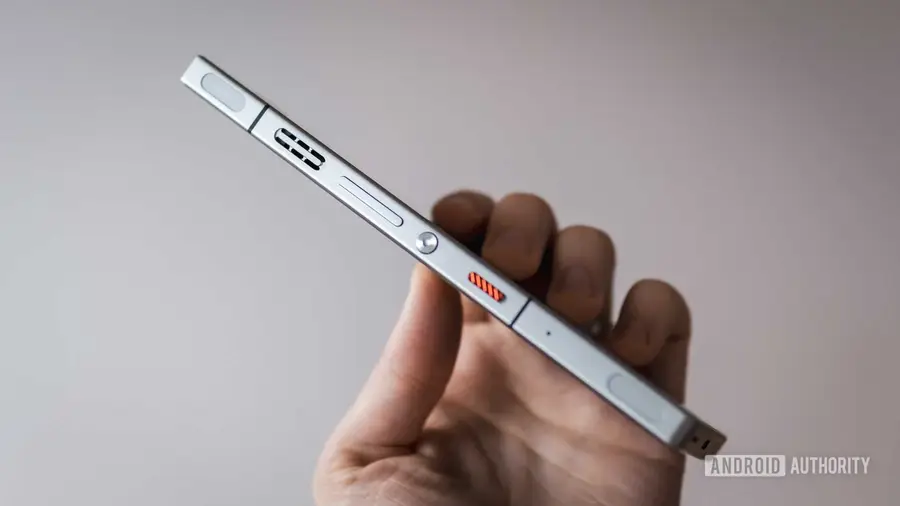
As mobile technology continues to advance, new features emerge to enhance user experience. Among these innovations is the inclusion of cooling fans in smartphones, a trend gaining traction with devices like the HONOR Win 2 series and the OnePlus Ace 7. While this might seem like a logical progression given the cooling needs of high-performance devices, there are several factors to consider before jumping on the bandwagon.
The Growing Trend of Cooling Fans in Smartphones
Initially, cooling fans were predominantly found in flagship gaming phones, designed to handle intensive tasks without overheating. However, as the technology matures, we now see more budget-friendly models adopting this feature. The rationale is clear: PCs, laptops, and even handheld consoles rely on fans to maintain optimal temperatures, so why not smartphones?
Challenges of Implementing Fan Technology
While fans can effectively cool larger devices, smartphones present unique challenges. The compact design of smartphones limits the size and efficiency of the fans, which can only cool a small area. Unlike PCs, where airflow can be maximized due to spacious interiors, smartphones must balance cooling with user comfort. A fan may localize heat, but it won’t necessarily outperform a well-engineered passive cooling system.
- Fans in smartphones typically have a limited area to cool.
- High RPMs necessary for performance can lead to noise issues.
- Cooling efficiency heavily relies on overall thermal design.
Noisy Operation and Its Impact
One significant downside to smartphone fans is the noise they generate. Smaller fans must operate at higher speeds to match the airflow of larger fans found in PCs or gaming consoles. This results in noticeable motor whine, which can be distracting during use. While wearing headphones may mitigate the issue, using the phone in quiet environments could lead to discomfort for those nearby.
Testing has shown that the cooling benefits of these fans may not be as substantial as manufacturers claim. For instance, turning a fan on or off during intense gaming hasn’t consistently demonstrated a significant impact on device temperatures. Some users may experience slight performance improvements under prolonged stress, but these gains are often minimal.
Potential Trade-offs of Cooling Fans
Manufacturers may tout impressive cooling capabilities, such as OnePlus’s claim of a 10°C drop in temperatures, but consumers must weigh these benefits against potential downsides. One concern is that introducing cooling fans could encourage brands to prioritize performance at the expense of efficiency. As smartphones become more powerful, the risk of overheating increases, leading to reduced battery life and comfort during use.
- Higher performance often comes at the cost of increased heat generation.
- Smartphone designs may sacrifice valuable space for cooling components.
- Battery life may suffer due to higher power demands.
Considerations for Consumers
When evaluating smartphones with cooling fans, consumers should consider what other features might be compromised. Larger fans or cooling systems require space, which could otherwise be used for a better camera or larger battery. For everyday users, these trade-offs may not be worth it, especially if the cooling system does not provide substantial benefits.
In contrast, dedicated gaming accessories with larger fans might offer more effective cooling solutions without the need to compromise on other smartphone features. Ultimately, users should assess their specific needs and whether the inclusion of a cooling fan aligns with their priorities in a smartphone.
As the smartphone market continues to evolve, it remains to be seen whether the trend of integrating cooling fans will truly enhance user experience or simply add unnecessary complexity. For now, many consumers may prefer devices that manage heat efficiently without the noise and compromises associated with fan systems.
Source: https://www.androidauthority.com/smartphone-cooling-fans-worth-it-3726778/