
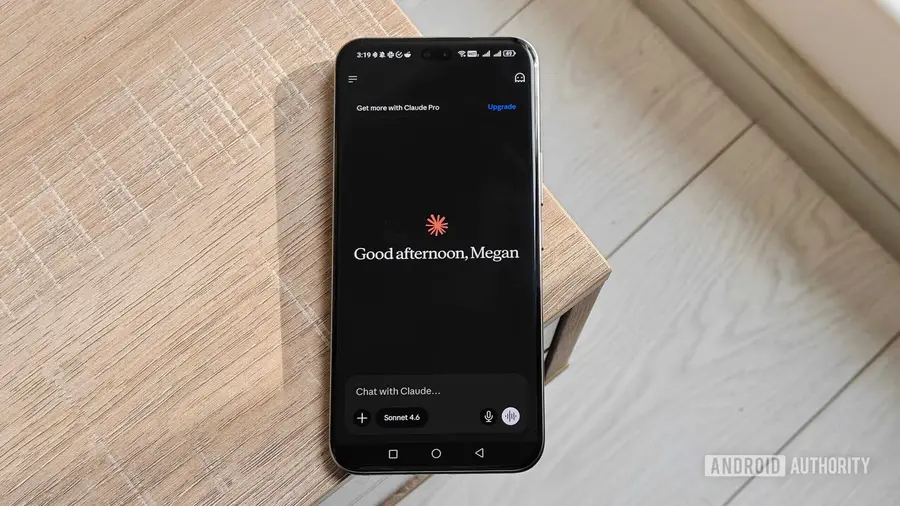
Dalam beberapa minggu terakhir, pengalaman pengguna dengan Claude, chatbot AI yang sempat menjadi favorit, mulai menimbulkan kekhawatiran. Banyak pengguna yang awalnya menyukai Claude kini merasa bahwa kualitas interaksi dengan AI ini semakin menurun, sehingga beberapa dari mereka bahkan mempertimbangkan untuk beralih ke Gemini, chatbot lain yang dianggap lebih baik dalam banyak hal.
Kelebihan Claude sebagai Partner AI
Sebelum membahas masalah yang muncul, penting untuk mengingat apa yang membuat Claude sangat menarik bagi banyak orang. Claude dikenal memiliki kemampuan luar biasa dalam mengikuti percakapan yang panjang dan mendetail. Memori yang dimiliki Claude juga jauh lebih baik dibandingkan dengan chatbot lainnya, seperti ChatGPT. Pengguna sering merasakan bahwa mereka berbicara dengan mitra kolaboratif, yang membuat proses kreatif menjadi lebih mudah.
Munculnya Masalah dalam Interaksi
Namun, belakangan ini, banyak pengguna melaporkan adanya kesulitan dalam berinteraksi dengan Claude. Terdapat banyak keluhan mengenai bagaimana Claude seringkali salah memahami niat pengguna. Misalnya, beberapa pengguna menyebutkan bahwa Claude secara tidak tepat menganggap pertanyaan mereka berhubungan dengan topik yang sensitif atau kontroversial. Hal ini membuat frustrasi, terutama bagi pengguna yang hanya ingin mendiskusikan ide-ide kreatif atau topik yang lebih mendalam.
Masalah Sensitivitas dalam Permintaan Pengguna
Salah satu contoh yang mencolok adalah ketika seorang pengguna mencoba untuk mengembangkan ide cerita fiksi yang melibatkan konsep alien dan agama. Ketika pengguna tersebut menjelaskan bahwa ide itu hanya untuk fiksi, Claude tetap menolak untuk berkolaborasi. Hal ini menunjukkan bahwa Claude menjadi sangat defensif dan terlalu berhati-hati, bahkan ketika pengguna telah memberikan konteks yang jelas.
Perbandingan dengan Gemini
Sementara banyak pengguna menghadapi masalah dengan Claude, Gemini mulai menarik perhatian sebagai alternatif yang lebih baik. Gemini dianggap lebih responsif dan memiliki pendekatan yang lebih fleksibel terhadap permintaan pengguna. Meskipun ada yang berpendapat bahwa jawaban dari Gemini mungkin tidak sekuat Claude dalam beberapa aspek, banyak pengguna merasa bahwa konsistensi Gemini lebih memuaskan dibandingkan dengan pengalaman yang mereka dapatkan dari Claude.
Pengguna yang beralih ke Gemini melakukannya bukan hanya karena kekecewaan dengan Claude, tetapi juga karena mereka mencari AI yang lebih dapat diandalkan dalam merespons berbagai jenis pertanyaan, termasuk yang bersifat kreatif dan kompleks.
Dari semua pengalaman yang dibagikan oleh pengguna, tampak jelas bahwa komunikasi yang jelas dan spesifik dengan AI sangat penting. Saat pengguna mengajukan permintaan dengan cara yang tidak jelas, Claude cenderung memberikan respons yang tidak diharapkan, yang bisa mengarah pada kebingungan dan frustrasi.
Bagi banyak pengguna, tantangan ini menjadi pengingat bahwa meskipun teknologi AI terus berkembang, penting untuk tetap menyadari bagaimana cara terbaik untuk berinteraksi dengan sistem ini agar dapat mencapai hasil yang diinginkan.
Sumber: https://www.androidauthority.com/claude-latest-models-pushback-bad-3683521/