
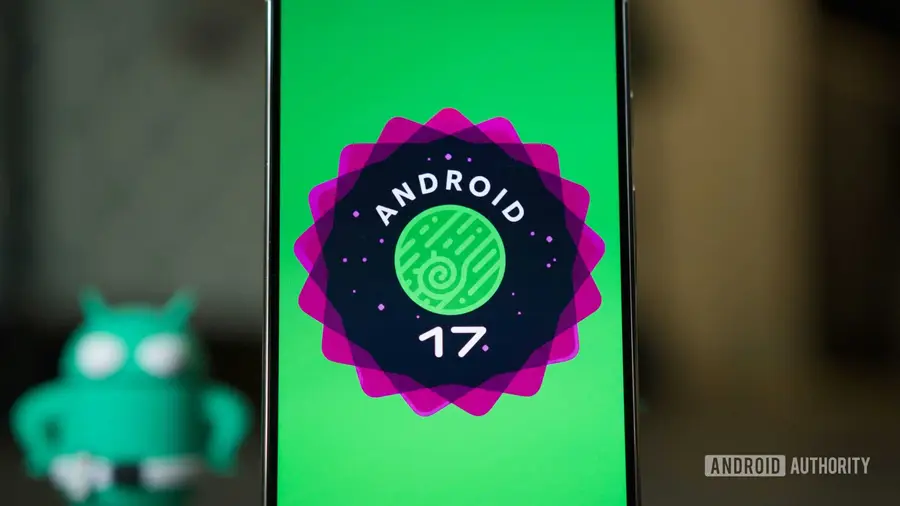
Android 17: The Fading Magic of Android Updates?
In the world of technology, especially Android operating systems, every update released by Google used to be highly anticipated. Each year, users were treated to fundamental changes and innovations that made the device experience increasingly exciting. However, with the arrival of Android 17, many feel that this magic is beginning to fade. Let’s take a closer look at the changes in this latest update.
Fond Memories of the Past
I still clearly remember when Material Design was first launched. The incredible excitement of refreshing the update page just to see the new look inspired many users. Likewise, when Android introduced gesture-based navigation after the launch of the iPhone X, it truly changed how we interacted with Android devices compared to the usual three-button interface. However, nowadays, that feeling seems to be fading.
Android 17: An Update That Feels Familiar
When I use the Pixel 10 running Android 17, sometimes I even forget that I’m using the latest version. The visuals are very similar to Android 16 and 15, making it hard to distinguish. This contrasts with the curiosity I previously had to try new features. It shows that Android has now entered a maturity phase. This update doesn’t offer many exciting features to capture attention but rather focuses on minor improvements and security fixes.
Small Updates with Big Benefits
Although Android 17 doesn’t bring striking innovations, there are some features worth noting. For example, the app bubbles feature makes multitasking easier, similar to how our brain manages multiple tasks simultaneously. Additionally, there is a new option to hide app names on the home screen, providing a cleaner and simpler look. One of my favorite features is the ability to force dark mode on apps that don’t natively support it. Lastly, the ability to share location temporarily offers peace of mind when using certain apps while on the go.
Stability as a Priority
Changes in how Google releases updates also reflect Android’s maturity. In the past, users had to wait a full year for a major update. Now, Google has separated updates from the main Android release, so we no longer wait for big surprises but receive several smaller updates regularly. This approach allows users, even those without Pixel devices, to enjoy new features every few months. It’s a smart move by Google to maintain user interest.
AI also plays a major role in Android’s evolution. With the arrival of Gemini, Google is working to introduce full agent capabilities that can take actions within apps on behalf of users. In this competitive world, Google cannot stand still and must continuously deliver exciting new features. Therefore, we see more AI-based features throughout the operating system, from trying new looks in Google Search to using AI assistance for photo editing.
Maturity That Inspires Hope
Android is now over 18 years old, meaning the operating system is mature even by human standards. At this point, expectations for software no longer demand innovation every year but rather reliability, stability, and security. Although the excitement before major updates may have diminished, Android still retains its charm. The new features introduced in recent years show that Android can still change how we interact with technology.
Overall, although I may miss the intense excitement before major updates, I still believe that Android 17 and future updates will continue to deliver valuable experiences. With all the features and improvements, Android has transformed into a more serious and mature operating system without losing its appeal.
Source: https://www.androidauthority.com/android-17-proves-updates-lost-magic-3682444/