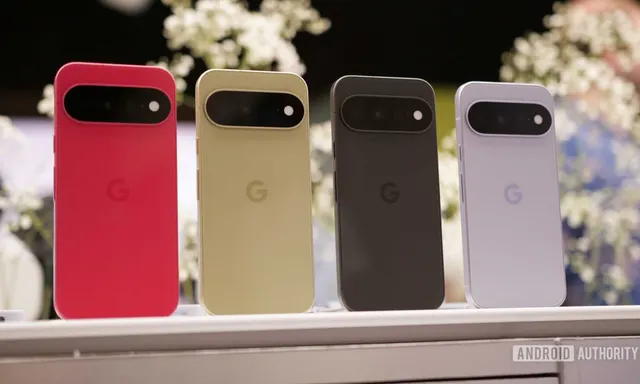
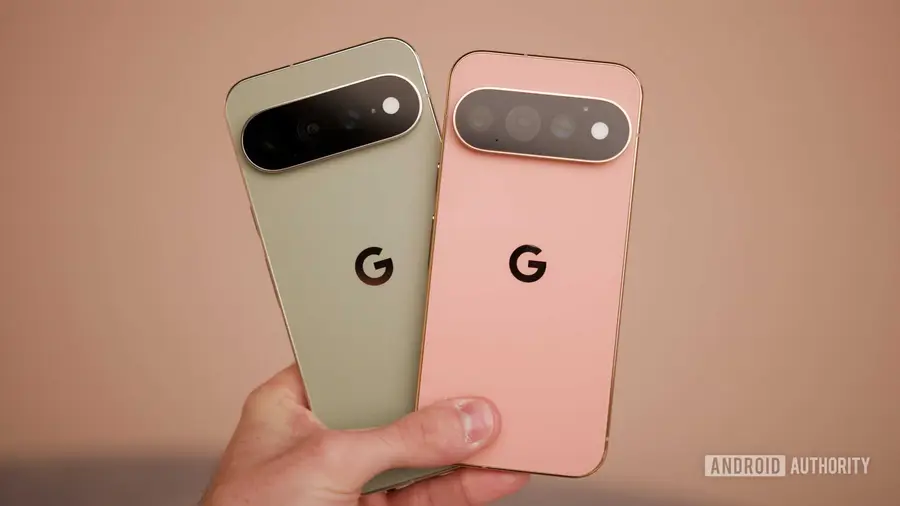
The recent announcement of the Pixel 11 Pro has left many tech enthusiasts feeling unsettled. While the smartphone's features are impressive, the decision by Google to increase the price of its flagship devices while simultaneously reducing the RAM on base models has raised eyebrows. Although 12GB of RAM may not significantly affect user experience, it is disheartening to pay more for less capability.
Changing Dynamics in Smartphone Upgrades
What lies beneath the surface of the Pixel 11 Pro is a clear strategy from Google aimed at encouraging users to upgrade more frequently—without necessarily needing a new device. Unlike many competitors, Google’s marketing strategy does not focus heavily on technical specifications, which raises questions about the long-term implications for users.
Features vs. Performance
During the announcement, Google did not emphasize the raw performance of its Tensor G6 chipset. Instead, it showcased the improved capabilities of the Tensor Processing Unit (TPU). One notable feature, Google Rambler, can transform your spontaneous thoughts into polished messages. While this feature is innovative, it brings forth a concerning trend: the potential for Google to withhold new functionalities from older devices, claiming they require updated hardware.
The Cycle of Planned Obsolescence
This tactic is not unique to Google. Other companies, like Samsung, have also been criticized for similar strategies. For instance, the Galaxy S24 Ultra initially missed out on certain AI features simply due to its chipset. As technology evolves, it's frustrating for users when devices become obsolete within a year of purchase, especially when the performance capabilities are still robust.
The Role of AI in User Experience
As smartphones become increasingly powerful, the need for users to upgrade is often driven by software features rather than hardware limitations. Camera advancements, once a primary motivation for upgrades, are now standard among even budget devices. Companies must find new ways to persuade consumers to part with their old phones.
Google has managed to address this issue in the past by offering cloud-based functionalities to older devices. The Pixel 8, which initially lacked sufficient RAM for certain features, eventually gained some AI capabilities through cloud technology. However, this raises the question of whether users might soon find themselves paying for software upgrades even on older hardware.
As the landscape of smartphone technology continues to shift, the allure of AI-driven applications like Rambler is undeniable. They promise to enhance user experience in ways that were not previously possible, making the prospect of upgrading to access such features increasingly appealing.
While Google may offer attractive trade-in deals or financing options, we are moving toward a reality where consumers could feel compelled to lease their devices to maintain access to the latest features. This potential shift in consumer behavior raises concerns about the future of smartphone ownership.
In conclusion, the Pixel 11 Pro may set a troubling precedent for the Android ecosystem. As companies vie for market share, the pressure to upgrade could become a fixture of smartphone use, leaving users in a cycle of constant consumption.
Source: https://www.androidauthority.com/pixel-11-pro-setting-dangerous-precedent-android-upgrades-3699468/