Google's Pixel 11 series has generated considerable buzz since its launch earlier this month. While at first glance it may appear similar to the Pixel 10 series, a closer look reveals some notable enhancements. These updates include improved camera controls, the innovative Tap-to-Share feature, and real-time translation capabilities for podcasts and videos.
Introducing Pause Point
One standout addition is the new Digital Wellbeing feature, Pause Point, introduced with Android 17. This function encourages users to think twice before accessing potentially distracting applications. However, there has been some criticism regarding its exclusivity to the Pixel 11 series, leaving some Android users feeling left out.
Stroll: A Compelling Alternative
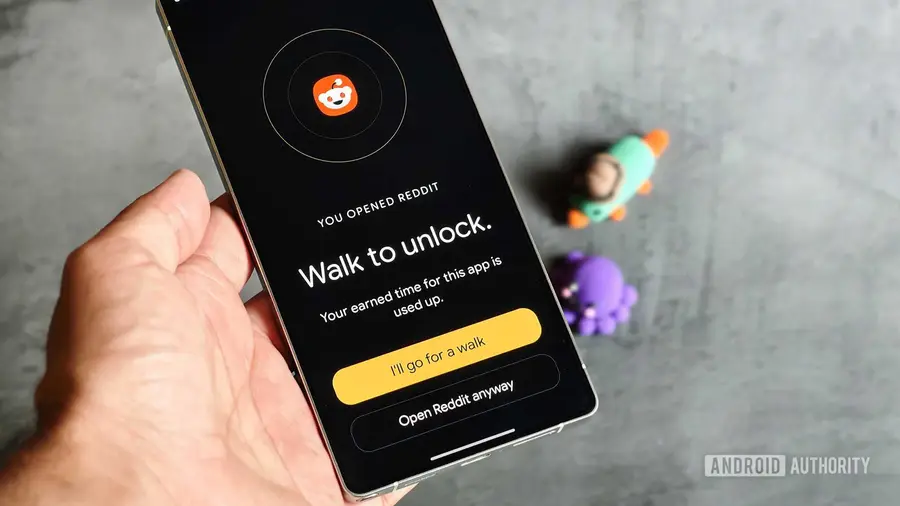
Fortunately, the flexibility of the Android ecosystem has led to the discovery of an alternative app called “Stroll.” This application aims to mitigate excessive social media usage by incentivizing physical activity. Unlike Pause Point, which relies on self-control, Stroll introduces a playful twist to the process. Users earn time for accessing distracting apps by walking, creating a more engaging experience.
The Mechanics of Stroll
The concept is straightforward: for every step taken, users accumulate time that they can later use to indulge in their favorite apps. This approach shifts the narrative around social media usage from guilt to reward. Instead of feeling ashamed about spending too much time scrolling, users can feel accomplished for their physical activity.
Enhancing Mindfulness
Stroll connects seamlessly with the phone's built-in step counter and can also sync with compatible smartwatches, ensuring that users can track their activity accurately. The app allows for URL restrictions and keeps track of weekly or monthly streaks based on step goals. While app timers have existed in Android for years, Stroll's proactive approach offers a fresh perspective on screen time management.
Traditional app timers often provide warnings only when time is about to run out, leaving users at risk of mindlessly consuming content. Stroll, on the other hand, encourages users to engage in physical activity before diving into their digital distractions. This shift in mindset helps break the cycle of compulsive usage.
By placing a gentle reminder to walk before accessing certain apps, users are not only prompted to be more active but also given the opportunity to reconsider their choices. This subtle delay can be enough to prevent impulsive decisions made in the heat of the moment.
While the app does not necessarily increase the amount of time spent walking, it significantly reduces the time spent on social media. Users often find themselves reconsidering whether to open an app, leading to a decrease in impulsive scrolling.
Moreover, Stroll allows users to manage their time in a 'time bank,' where any unused minutes can be rolled over for future use. This feature provides flexibility, although some users prefer to maintain daily limits to ensure consistent self-control.
As a result, many users report a noticeable change in their social media habits. Stroll encourages intentional use of apps, directing attention toward more enriching activities, such as reading or listening to podcasts. This shift not only promotes healthier screen time habits but also fosters a greater appreciation for the value of time.
In conclusion, while the Pixel 11's Pause Point feature offers a useful tool for managing digital distractions, Stroll presents a fun and effective alternative that gamifies the experience of limiting screen time. By rewarding physical activity, Stroll empowers users to take control of their app usage and fosters a more mindful approach to technology.
Source: https://www.androidauthority.com/best-digital-wellbeing-pixel-11-exclusive-i-found-better-app-3679013/