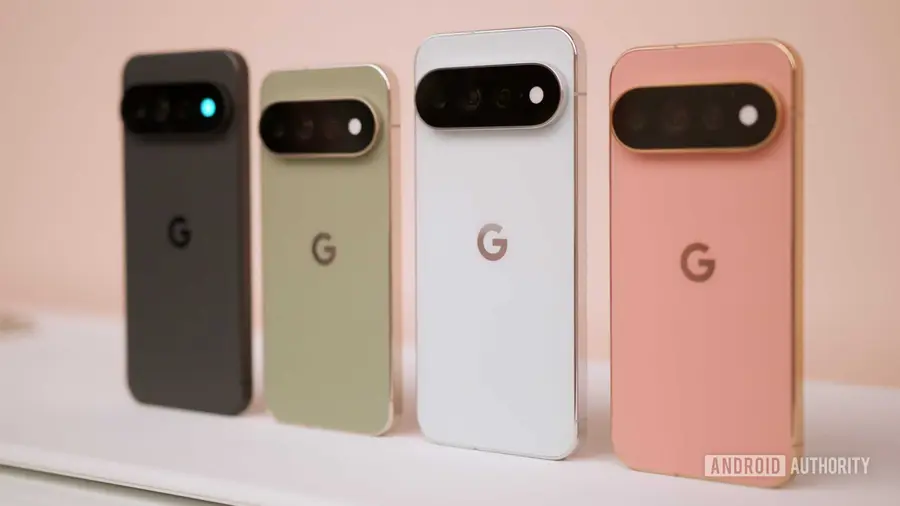
The Google Pixel 11 series was unveiled last Wednesday, drawing mixed reactions from consumers and tech enthusiasts alike. While the new lineup features several intriguing enhancements, the most notable aspect has been the significant price increases across all models, which has left many questioning the justification behind these hikes.
Understanding the Price Increases
During the keynote presentation, Google did not address the price increases, leading to confusion among potential buyers. A quick comparison reveals that the Pixel 11 models have seen a uniform increase of around $100/£80 compared to their predecessors, the Pixel 10 series. This change is particularly striking for the standard Pixel 11, which has experienced the highest percentage increase, raising concerns about its affordability.
The Loss of a Competitive Edge
Historically, one of the main reasons consumers have leaned towards Pixel phones was their competitive pricing. When the Pixel 6 series debuted in 2021, it positioned itself as an affordable alternative to flagship devices from Apple and Samsung. The Pixel 6 started at $599/£599, while top competitors like the iPhone 13 and Galaxy S22 were priced significantly higher.
However, as prices have crept up, the Pixel series has lost its edge. The Pixel 10 series aligned more closely with the pricing of flagship models from its competitors, diminishing its status as a budget-friendly option. With the launch of the Pixel 11, Google now finds itself on par with Samsung's Galaxy S26, with both devices starting at $899. Apple, meanwhile, offers the iPhone 17 at a lower price point of $799, further complicating Google's position in the market.
Consumer Concerns and Market Trends
The current climate of rising tech prices, largely due to RAM shortages and increased manufacturing costs, has made it challenging for smartphone manufacturers to maintain competitive pricing. As a major player in the tech industry, Google shares some responsibility for these price hikes, particularly given its involvement in the generative AI boom.
Consumers who are excited about the new features in the Pixel 11, like HiLight and advanced AI capabilities, may find themselves paying a premium for these innovations. Unfortunately, for those simply seeking a good deal on a high-quality smartphone, the options are becoming increasingly limited.
The Future of the Pixel Lineup
Even with rising costs, many believe that Google could have mitigated some of the financial impact on consumers. The company frequently encourages users to "ask more of your phone," and keeping prices more accessible could be seen as a reasonable expectation. As the smartphone market continues to evolve, with several brands exiting or reducing their presence, the implications of Google's pricing strategy could resonate throughout the industry.
As the tech landscape becomes more competitive, Google must navigate the delicate balance between innovation and affordability. Whether the Pixel 11 can capture the interest of consumers despite its price increase remains to be seen.
Source: https://www.androidauthority.com/pixel-11-price-increase-abandons-google-advantage-3698897/