In today's digital landscape, the importance of data privacy cannot be overstated. While many individuals brush aside concerns about online privacy as irrelevant, the reality is that everyone should prioritize it. Shifting to privacy-focused applications and services can significantly enhance your security and control over personal information.
The Common Misconception About Data Privacy
At a recent tech gathering, I mentioned my switch to the Brave browser to avoid Google's extensive data collection. The response was a casual dismissal, indicating a widespread belief that data privacy is a concern only for tech enthusiasts. However, my own experiences have taught me otherwise. Once indifferent to online privacy, I've faced the repercussions of data breaches and leaks that have left my personal information exposed.
Risks of Data Breaches
One of the most alarming threats posed by rampant data collection is the potential for personal information to end up on the dark web. This often occurs when companies, including data brokers and retailers, suffer breaches that compromise sensitive data. Even if you're cautious about where you share your information, crucial details like your social security number and phone number can still be obtained by malicious actors. I've personally dealt with the fallout from breaches where my information was exposed, leading to a host of issues, including the need to change passwords for numerous accounts.
The Implications of Targeted Advertising
Many individuals overlook the implications of targeted advertising. While it can be beneficial to receive ads tailored to your interests, this practice can also be manipulative. Advertisers can exploit personal vulnerabilities, leading to anxiety-inducing ads that prioritize profit over user well-being. For instance, I've encountered ads promoting weight loss solutions while searching for plus-size clothing, reminding me of societal pressures rather than providing helpful resources.
Steps to Enhance Your Online Privacy
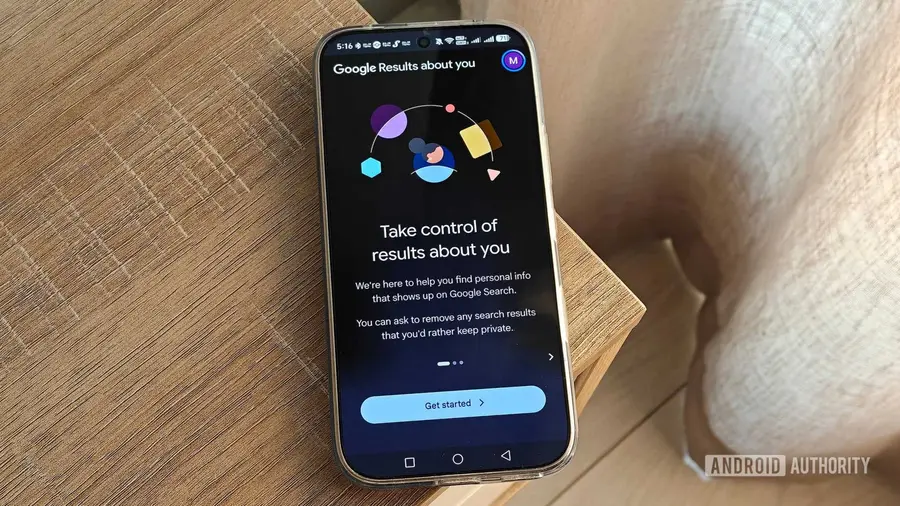
Despite the challenges, there are proactive steps you can take to safeguard your online privacy. Transitioning to privacy-oriented services is a significant first step. Consider using a privacy-focused browser and search engine, or adjusting settings on platforms like Google to limit data collection. When signing up for new services, minimize the information you share and create email aliases to protect your primary address.
Additionally, take control of your social media presence by adjusting ad preferences and managing what information is shared. On platforms like Facebook and Instagram, you can limit ad topics to reduce exposure to sensitive categories. Regularly monitoring your data for potential breaches can also help you stay informed about what information is at risk. Tools like dark web monitoring and services that assist with data removal can further enhance your security.
While navigating online privacy can feel like an ongoing battle, remaining vigilant and proactive can significantly mitigate risks. Embracing privacy-focused tools and practices is not just for tech enthusiasts; it's a necessary step for everyone in our increasingly digital world.
Source: https://www.androidauthority.com/why-data-privacy-matters-for-everyone-3709285/