In recent years, I found myself relying heavily on popular weather apps like Samsung Weather, Pixel Weather, and AccuWeather. However, I decided it was time to explore other options that could offer a fresh take on weather forecasting. I sought apps that were user-friendly, customizable, and known for their accuracy. After some testing, I narrowed my choices down to two standout apps: Breezy Weather and Gradient Weather.
Breezy Weather: A Privacy-Focused Option
Breezy Weather is an open-source weather application that emphasizes privacy and personalization. Users can access a wide array of data metrics, including hourly and daily forecasts, visibility, pressure, and even details about the sun and moon phases. The interface is designed to be intuitive, making it easy to navigate without feeling overwhelmed by information.
One of the biggest advantages of Breezy Weather is its commitment to privacy; there are no ads, trackers, or premium tiers, making it completely free to use. Additionally, users can select their preferred data sources, such as AccuWeather and OpenWeather, allowing for a more tailored weather experience. The app also features customizable icon packs to enhance its visual appeal.
Widgets and Installation Considerations
Widgets are a crucial aspect of any weather app, and Breezy Weather excels in this area with its clean, minimalist design. However, it’s worth noting that the app isn’t available on Google Play, requiring users to install it from platforms like GitHub or F-Droid. The GitHub version offers more data sources, while the F-Droid version adheres to freenet standards.
Despite its many strengths, Breezy Weather does lack radar functionality, primarily due to the absence of a free, open-source radar API. This limitation might be a drawback for users who prioritize radar features in their weather applications.
Gradient Weather: A Feature-Rich Alternative
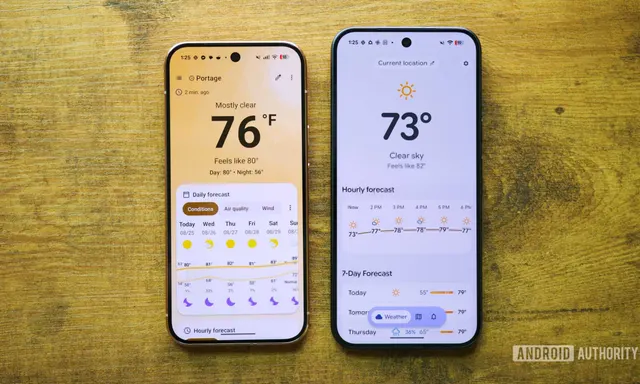
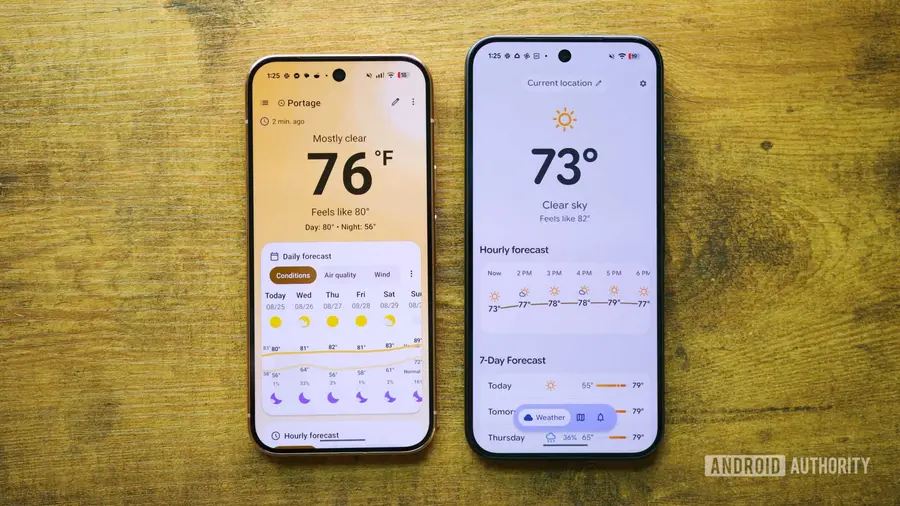
On the other hand, Gradient Weather takes a different approach, focusing on a polished user experience while providing essential weather information. The layout is clean and straightforward, making it easy to find important details at a glance. Gradient stands out with its well-designed alerts, using color coding to quickly convey the type of alert being issued.
Unlike Breezy, Gradient offers more detailed alerts and notifications, allowing users to receive custom notifications for various weather conditions, from frost alerts to rain forecasts. This feature can be particularly useful for those who want to stay informed without constantly opening the app. Gradient’s widgets are also highly customizable, enhancing the user experience further.
Comparing Features and User Experience
While both apps share several features, they differ in how they present information. Breezy Weather allows for more manual control and customization, which some users might prefer. Conversely, Gradient is designed to be user-friendly right from the start, making it easier to get the most out of the app without extensive setup.
Users seeking radar capabilities may find Gradient more appealing, as it includes a weather map that tracks various conditions, such as cloud cover and temperature. Gradient combines multiple data sources to ensure accuracy, whereas Breezy relies on user-selected sources.
Conclusion: Which App is Right for You?
Ultimately, the choice between Breezy Weather and Gradient Weather comes down to personal preference. If you prioritize a completely free experience without radar, Breezy Weather is an excellent option. It’s straightforward and privacy-focused, perfect for users who enjoy customization.
On the other hand, if you are willing to invest in a subscription for advanced features like radar and detailed notifications, Gradient Weather may be worth the cost. Personally, I opted for the lifetime access to Gradient for $33, finding its additional features beneficial for my needs, particularly during storm seasons.
Both apps bring unique strengths to the table, and trying both could help you determine which one suits your weather forecasting needs best.
Source: https://www.androidauthority.com/breezy-vs-gradient-third-party-android-weather-apps-best-3701266/