As consumers explore the best camera phones available today, the variety of options can be overwhelming. Many flagship devices boast impressive multi-sensor configurations, high megapixel counts, wide apertures, and advanced camera technologies. However, there is a noticeable gap in camera capabilities between top-tier models and their more affordable counterparts, particularly in low-light situations.
Comparison with Other Flagships
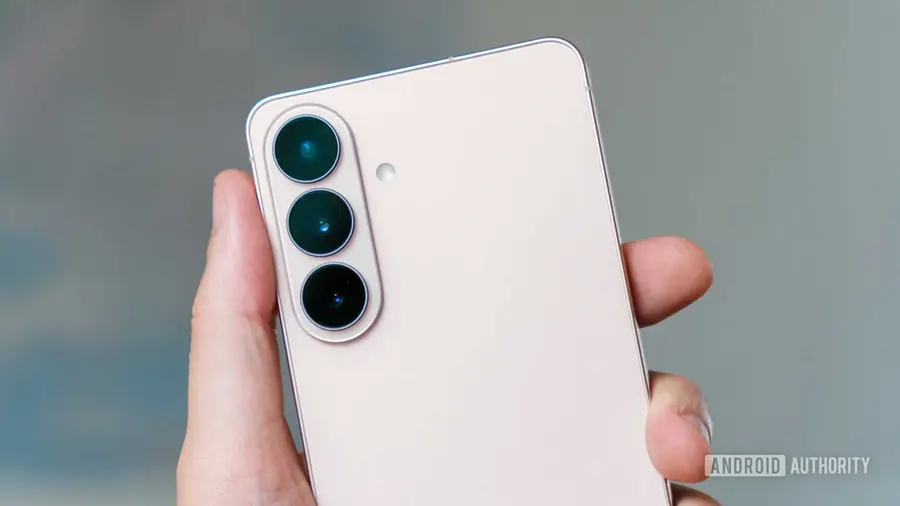
Devices like the Pixel 11 Pro and iPhone 17 Pro manage to maintain high-quality camera features despite being less expensive than their XL and Max variants. Unfortunately, the same cannot be said for Samsung's Galaxy S26 Plus, which appears to be a step down from the Ultra model. After using the S26 Plus, it became clear that it lacks the advanced camera features present in the Ultra, primarily due to its smaller sensor size.
Sensor Size Matters
The main sensor in the Galaxy S26 Plus measures 1/1.56 inches, in contrast to the Ultra's 1/1.3-inch sensor. While the Plus's sensor is not insignificant, it is smaller than those found in the iPhone 17 Pro and Pixel 11 Pro. This reduction in size means a decreased capacity for light capture, which is crucial for low-light photography. Additionally, the S26 Plus includes a limited 1/3.94-inch telephoto lens that often struggles to perform in dim conditions, resulting in photos that rely heavily on the main sensor's capabilities.
Low-Light Photography Performance
To evaluate the S26 Plus's performance in low-light settings, I compared it with the OPPO Find X9 Ultra, which features a significantly larger main sensor. Capturing a dimly lit scene with both devices, it was evident that the OPPO's larger sensor allowed for better detail and color reproduction, even without extended exposure times. Although enabling night mode enhanced light capture for both phones, the S26 Plus had to rely on a longer exposure, which introduced more potential for motion blur.
When examining the details closely, the OPPO Find X9 Ultra showcased textures and patterns that the Galaxy S26 Plus struggled to reproduce. The latter often appeared overly processed and denoised, resulting in a loss of detail. This trend continued when photographing a starry night sky; while both phones managed to capture the scene, the Galaxy S26 Plus displayed noticeable dynamic range issues, leading to a less accurate representation of the night sky.
Telephoto Lens Challenges
Another area where the S26 Plus faltered was its telephoto capabilities. During testing, the phone frequently defaulted to its main lens instead of utilizing the telephoto lens, particularly when attempting to photograph a drinks bottle. Even when the telephoto lens was engaged, the results were disappointing in low-light conditions, revealing smudged details and poor color saturation. In stark contrast, the OPPO's larger telephoto sensor produced images that were more detailed and true to the actual scene.
The Importance of Sensor Quality
These tests highlight a crucial aspect of modern smartphone photography: the quality of the camera sensor. While computational photography has made significant strides, the foundational quality provided by a larger sensor is essential for optimal performance. This is particularly relevant when considering a device's versatility across various lighting conditions.
When investing in a high-end smartphone, it is important to examine the camera specifications closely. Factors such as sensor size should take precedence over marketing claims about megapixels or aperture width. A single inferior component can severely limit a mobile photographer's ability to capture quality images, especially in challenging lighting scenarios.
In conclusion, while Samsung continues to innovate in the smartphone space, the Galaxy S26 Plus reveals significant limitations in low-light photography that potential buyers should consider. As the competition heats up, particularly with brands like OPPO pushing the boundaries of camera technology, consumers must make informed decisions to ensure they get the best photography experience for their investment.
Source: https://www.androidauthority.com/samsung-galaxy-s26-plus-low-light-camera-test-mistake-3698846/