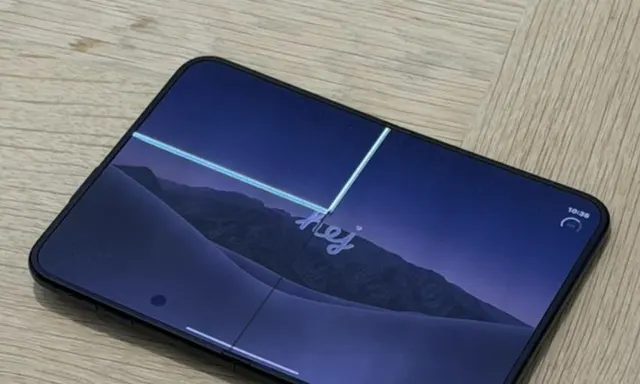
For Android enthusiasts, the current smartphone landscape is incredibly exciting. With a plethora of brands offering unique features, we now see longer software support and hardware that surpasses even the beloved iPhone. Whether you seek a high-performance gaming phone, one with exceptional battery life, innovative AI capabilities, or versatile camera options, there’s an Android device tailored for you.
Recently, I had the opportunity to test the OPPO Find X10 Pro Max, which showcases remarkable specifications across the board. It boasts multi-day battery life, impressive performance, and an outstanding camera, complemented by some excellent first-party software. The distinct design of OPPO devices ensures that they stand out and do not resemble generic Galaxy or iPhone copies. This individuality is a common trait among various Android brands today, especially when viewing the phones' aesthetics.
The Impact of iOS Design Trends
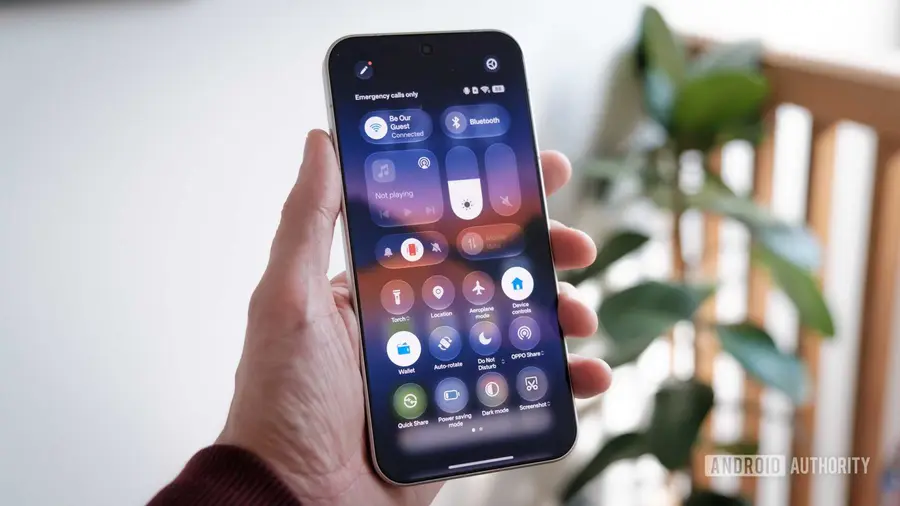
However, this effort to maintain a unique identity is being compromised by the increasing trend of mimicking Apple’s iOS interface, particularly the controversial Liquid Glass design. Several brands, especially those based in China like OPPO and vivo, have rushed to adopt Apple's latest design aesthetic, to the detriment of the Android experience.
My personal aversion to Liquid Glass stems from its impracticality and cluttered appearance. While transparency is often associated with simplicity, it complicates the user interface by making essential icons and features difficult to identify against a blurred background. After spending considerable time using iOS alongside its Android counterparts, I can confidently say that Liquid Glass is the worst development in smartphone design since the phase-out of replaceable batteries.
Navigating the Challenges of Transparency
Countless times, I’ve found myself squinting at my screen, struggling to discern small white icons and text against a hazy backdrop. Even Apple has recognized this flaw, prompting users during the iOS 27 setup to decide how transparent they want their UI. Despite various tweaks brands attempt to implement, the fundamental issue with Liquid Glass remains: the essential elements meant for quick access are continually obscured.
While it’s possible to adjust some settings, such as disabling Visual Blur in OPPO's interface, the fundamental issue of excessive transparency persists across many brands. Brands like vivo do offer customization options, but often, users cannot completely escape this design trend, which feels entirely uncharacteristic of Android.
Borrowing Features: A Double-Edged Sword
The rivalry between Android and iOS has always been marked by mutual borrowing of features. Innovations that Android introduced long ago frequently find their way into new iOS versions. While this exchange can be beneficial, the adoption of Liquid Glass serves no purpose other than to imitate Apple’s aesthetic without enhancing functionality. This trend suggests that some consumers prefer a look akin to an iPhone, but that’s not the case for everyone.
Android brands are already positioned as premium options; they should not assume that consumers choose them solely for their resemblance to Apple products. Android remains the platform for the best cameras, longest battery life, and groundbreaking technology, including unique devices like clamshell foldables, which Apple has yet to replicate.
Preserving Unique Brand Identities
It’s clear that Android brands have the potential to stand out with their own distinctive UIs. Historical examples include HTC's Sense UI, OnePlus' OxygenOS, and Sony's Xperia UI, all of which have successfully conveyed a strong brand identity. Today, Nothing stands out as a prime example of distinctive branding through aesthetics, ensuring products are recognizable at a glance.
Google’s Pixel series also exemplifies this approach, featuring a unique camera bar and a consistent design language. While OnePlus' OxygenOS and OPPO’s ColorOS once had their charm, there are concerns that iOS-inspired designs could seep into future updates of popular interfaces like Samsung's One UI.
Android's greatest strength lies in its customization capabilities, and it’s crucial to maintain this flexibility. Brands that wish to adopt new design trends should provide optional themes instead of forcing users into a controversial aesthetic. Gradual evolution of brand identity is essential for continuity, rather than abruptly discarding years of established design work simply because Apple has introduced a new trend.
Ultimately, I do not wish for my premium Android flagship to resemble a less expensive iPhone. The uniqueness of Android should be celebrated and preserved.
Source: https://www.androidauthority.com/ios-ification-of-android-3721391/